How to Install Wildlife-Friendly Bird Netting Without Damaging Your Plants
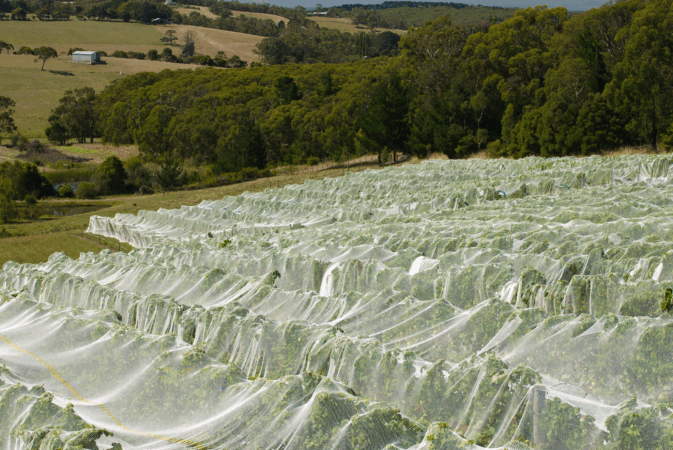
If you live anywhere in Australia, you know how quickly birds can find their way to your ripening fruit and vegetables. Bird netting is one of the simplest ways to protect your plants, but using the wrong type can harm wildlife or damage your garden. That’s why choosing wildlife-friendly bird netting is essential; it keeps your plants safe while letting local birds stay out of harm’s way.
Why Bird Netting Is Important for Australian Gardens
Backyard gardens attract all kinds of feathered visitors, from rainbow lorikeets and wattlebirds to blackbirds and rosellas. While they bring life and colour, they can also strip fruit trees and vegetable patches in days. According to Agriculture Victoria, using wildlife-safe netting is recommended to protect produce while avoiding accidental entanglement of birds and animals.
Using netting is a simple, low-maintenance way to keep your harvest intact without resorting to harmful deterrents. It’s a win for both your garden and the local ecosystem.
Choosing the Right Type of Bird Netting
Not all bird netting is created equal. To keep your garden safe and wildlife-friendly, look for these features:
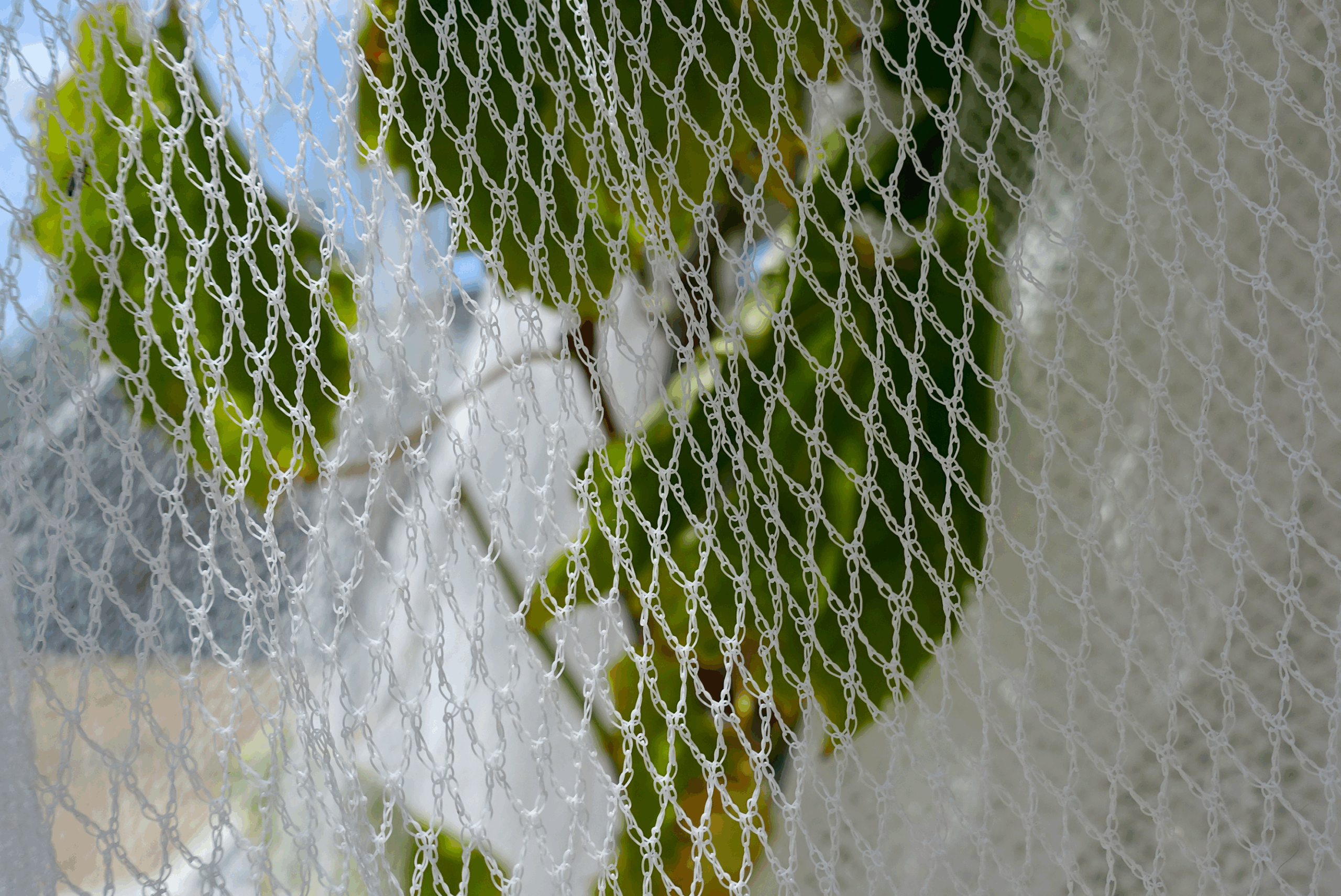
- Mesh size – Holes smaller than 5mm prevent birds, bats, and small animals from becoming trapped.
- Colour – Black bird netting blends with foliage and provides UV protection for longer durability.
- Material – Choose a strong, flexible, and UV-stabilised material that won’t fray or tear easily.
The Bird Netting ticks all these boxes. It’s designed to protect crops while meeting Australian standards for wildlife safety.
Step-by-Step: How to Install Bird Netting Safely
Installing bird netting doesn’t have to be complicated. Here’s a beginner-friendly guide to doing it right:
1. Measure your area
Start by measuring the space you want to cover. Allow extra material for securing edges.
2. Set up support poles or a frame
Keep the netting raised above your plants to prevent birds from getting tangled.
3. Drape the netting carefully
Lay it gently over your frame or trees, ensuring full coverage.
4. Secure the edges
Anchor the netting at ground level with garden stakes or pegs to keep birds from slipping underneath.
5. Inspect regularly
Check your netting every few weeks for gaps, loose edges, or wear. Replace damaged sections promptly.
Common Mistakes to Avoid
- Don’t drape netting directly over plants. This can trap birds or tear branches.
- Avoid using old or frayed netting. Damaged mesh can easily catch on wildlife.
- Never leave gaps at the base. Birds can slip under and become stuck.
A few careful adjustments go a long way toward creating a safer garden space for both your plants and local wildlife.
Protect Your Garden the Safe Way
Ready to safeguard your garden the right way? Try Gardening Direct’s Wildlife-Friendly Bird Netting. It’s durable, simple to install, and designed with gardens and wildlife in mind across Australia.
Explore Our Bird Netting Range
Frequently Asked Bird Netting Questions
1. What makes bird netting “wildlife-friendly”?
Wildlife-friendly netting has a fine mesh size (under 5mm) and smooth, flexible material that prevents birds, bats, and small animals from becoming entangled. It also meets Australian guidelines for wildlife-safe gardening practices.
2. How often should I replace my bird netting?
High-quality, UV-stabilised netting can last several years if cared for properly. Check regularly for wear or holes and replace any damaged sections promptly to maintain protection and safety.
3. Can I reuse bird netting each season?
Yes, most wildlife-friendly netting is reusable. Store it clean and dry at the end of each season to extend its lifespan and reduce waste.
4. What’s the best way to secure netting around fruit trees?
Use lightweight poles or a frame to keep the netting elevated. Secure it at the base with garden staples or clips so that birds cannot enter from underneath.
5. Is black bird netting better than white or green?
Black netting tends to be more UV-resistant and less visible in the garden, blending naturally with foliage while providing lasting durability.
By following these simple steps, you can enjoy a thriving, productive garden while keeping wildlife safe and free.