Ideas for Flexible Garden Edging for Modern Landscape Design

Flexible garden edging is a popular choice for Melbourne gardeners who want clean lines without being locked into straight, rigid layouts, especially when working with curved beds, compact courtyards, and creative outdoor designs.
Modern landscape design rarely follows a perfect straight line, especially in Melbourne gardens. From curved garden beds and winding paths to compact courtyards and shared outdoor spaces, many local landscapes call for edging solutions that can adapt to the design rather than force it. That is where flexible and bendy garden edging becomes especially useful.
If you are researching options or have already purchased edging and want to get the best result, this guide walks through how flexible garden edging works, where it performs best, and how to choose the right option for your layout using the Landscape Edge Range available from Gardening Direct Australia.
Key points
- Flexible garden edging suits curved beds, tight spaces, and creative layouts
- Bendy edging helps define clean lines without complex cutting or joins
- The Landscape Edge Range supports both straight and curved designs
- Choosing the best garden bed edging depends on layout, height, and soil conditions
- Good preparation makes installation easier and improves long-term results
Why flexible garden edging suits modern landscape design
Melbourne landscapes often combine formal and informal elements. You might have a neat lawn edge along one side and a free-flowing native bed or veggie patch on the other. Flexible garden edging allows you to move between these styles smoothly.
Unlike rigid edging that suits only straight lines, bendy garden edging can follow gentle curves, circles, and flowing shapes. This is especially useful in:
- Established gardens where beds already have organic shapes
- Sloped blocks where straight edges are hard to keep level
- Inner city gardens with limited space to manoeuvre materials
Flexible edging also makes it easier to refresh or adjust garden layouts over time. If a bed expands or a path shifts slightly, the edging can often be reworked rather than replaced.

Understanding the Landscape Edge Range
The Landscape Edge Range from Gardening Direct Australia is designed for gardeners who want structure without sacrificing creativity. It includes edging profiles that can be installed in straight runs or gently curved to suit different garden styles.
Rather than locking you into a single layout, this range supports:
- Long, clean borders along lawns and paths
- Rounded garden beds and feature planting zones
- Custom shapes for courtyards and shared outdoor areas
For homeowners and property managers, this flexibility means one edging solution can work across multiple parts of the same property.
Where bendy garden edging supports modern landscape layouts
Curved garden beds and feature planting
Curved beds are a common feature in modern landscape design because they soften clean lines and help planting feel intentional rather than forced. Bendy garden edging makes it easier to define these shapes cleanly, keeping mulch and soil contained while maintaining a smooth visual line.
Curved lines are an important design principle in landscape design because they tend to create a more relaxed, informal, and natural character in outdoor spaces compared with straight lines, which are more formal and structural.
Paths, lawns, and transition zones
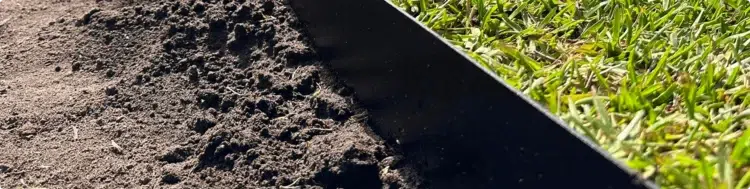
Edges between lawn and garden beds are one of the most common problem areas for homeowners. Flexible garden edging helps create a clear separation, which reduces grass creep and keeps mowing lines neat.
Because bendy edging can follow gentle curves, it works well along winding paths or around stepping stones where straight edging would look forced.
Small courtyards and compact urban spaces
In townhouses and unit developments, outdoor areas are often compact and irregular. Flexible edging allows you to make the most of every square metre, shaping beds to fit corners and boundaries rather than losing space to straight lines that do not quite fit.
Choosing the best garden bed edging for your layout
There is no single best garden bed edging for every garden. The right choice depends on how your space is used and how defined you want your edges to be.
When choosing edging, it is a good idea to consider:
- Whether your design includes curves, straight lines, or both
- The height needed to retain soil and mulch, especially on slopes
- How visible you want the edging to be once installed
- Your confidence with DIY installation
Gardening Australia notes that good edging improves garden maintenance by keeping materials where they belong and reducing ongoing clean up. Flexible edging supports this by adapting to the shape of your garden rather than working against it.
A quick modern landscape design checklist
Before installing flexible garden edging, it helps to step back and look at the overall design. This short checklist can help ensure the finished result feels intentional and balanced.
- Check how curves and straight lines work together across the space
- Make sure edging lines guide the eye rather than cut the garden into sections
- Allow enough space for plants to mature without crowding edges
- Think about sightlines from windows, paths, and seating areas
- Confirm edging heights suit both the design and soil conditions

Installation tips for flexible garden edging
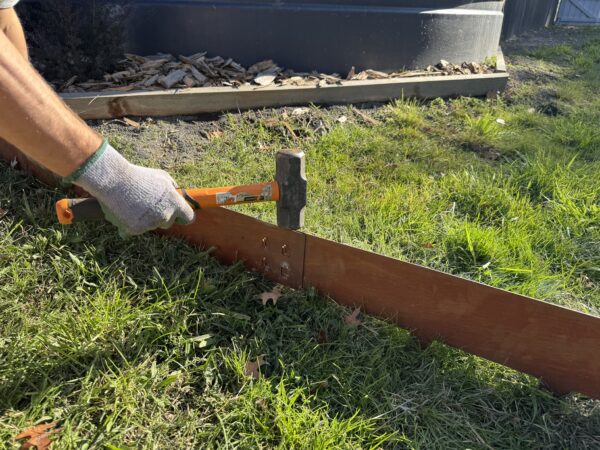
Installing flexible garden edging is a manageable DIY task for many gardeners, especially with good preparation.
A few practical tips include:
- Mark out your layout first using a hose or string to check curves
- Prepare a neat trench so the edging sits evenly
- Gradually bend the edging into shape rather than forcing tight curves
- Secure sections properly before backfilling
Taking the time to prepare the ground properly makes installation smoother and helps the edging hold its shape over time.
Why local knowledge still matters in modern landscape projects
Sourcing garden edging from a Melbourne-based supplier has practical benefits. Local suppliers understand common soil conditions, popular garden styles, and what works well in Victorian landscapes.
Gardening Direct Australia operates from Thomastown, which allows local customers to access products quickly and get advice that suits Melbourne gardens.
Supporting creative landscapes over time
Well-installed flexible garden edging helps gardens keep their intended shape as plants grow and seasons change. It supports low-maintenance garden design by reducing soil movement and keeping borders tidy.
For homeowners, this means spending less time fixing edges and more time enjoying the garden. For property managers, it helps maintain a consistent appearance across multiple properties with fewer touch ups.
You can explore the full range on the Gardening Direct Australia garden edging page, which shows compatible options for different garden designs.
Explore Our Gardening Edging Range
Frequently asked questions
1. Is flexible garden edging suitable for straight lines
Yes. Flexible garden edging can be installed in straight runs as well as curves. This makes it useful for gardens that combine formal and informal elements, according to guidance from Better Homes and Gardens Australia.
2. Can bendy garden edging handle uneven ground
Flexible edging works well on gentle slopes and uneven areas when the ground is prepared properly. Levelling the trench and securing the edging helps it sit neatly over time.
3. How do I know which height edging to choose
The right height depends on how much soil or mulch you need to retain. Gardening Australia recommends higher edging for sloped beds or areas with heavy mulching.
4. Is flexible garden edging suitable for courtyards
Yes. Flexible edging is often a good choice for courtyards and small spaces because it can follow tight layouts and irregular boundaries without wasted space.
5. Can flexible edging be adjusted later
In many cases, flexible garden edging can be adjusted or extended if your garden layout changes. This makes it a practical option for gardens that evolve over time.