How to Create Perfect Garden Edges: A Step-by-Step Guide

Your garden edges are one of the details that separates a good garden from a great one. As spring and summer approach, a clean, defined edge is what makes beds and lawns look properly finished.
A well-formed edge is not as hard to create as you might think. The right steel edging, especially a corten finish, gives you a neat, permanent border for lawns, driveways, paths, flower beds and more.
In this guide, we walk through how to create perfect garden edges for beds and borders, from choosing the location to installing your steel edging.
How to Create Perfect Edges for Your Garden
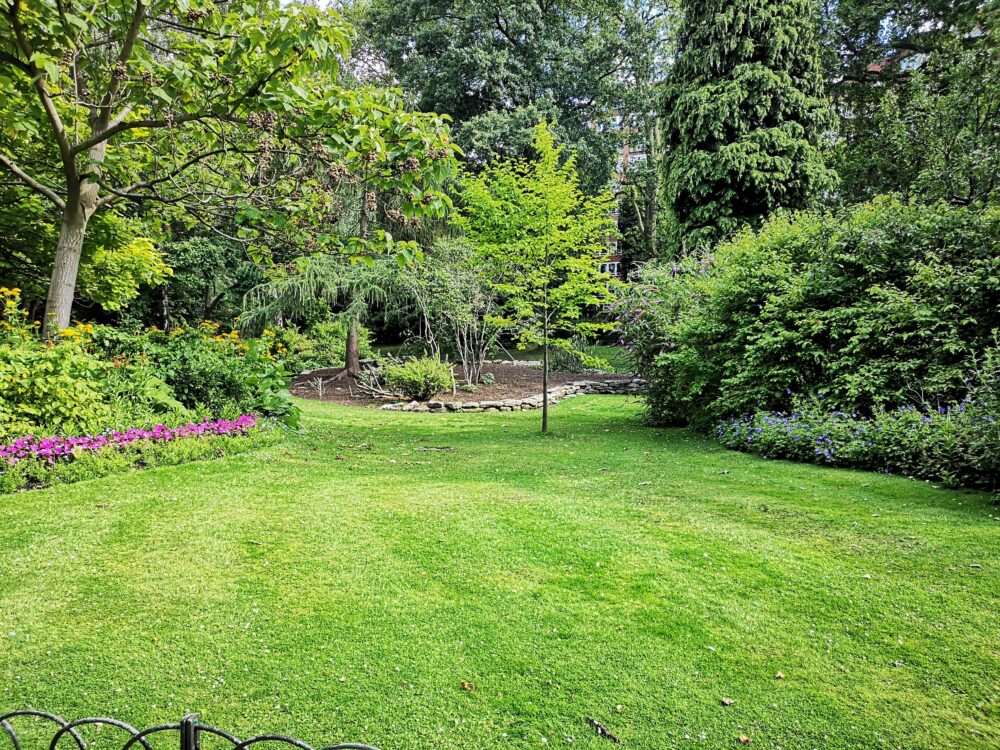
When it comes to garden edging, you can choose from plastic, timber, stone or steel. Steel is the pick for durability and a clean, long-lasting line, and our Landscape Edge Cor-Ten range is designed to make the job simple.
To create perfect edges for your garden, follow the steps below.
1) Choose the Location for Your Garden Edging
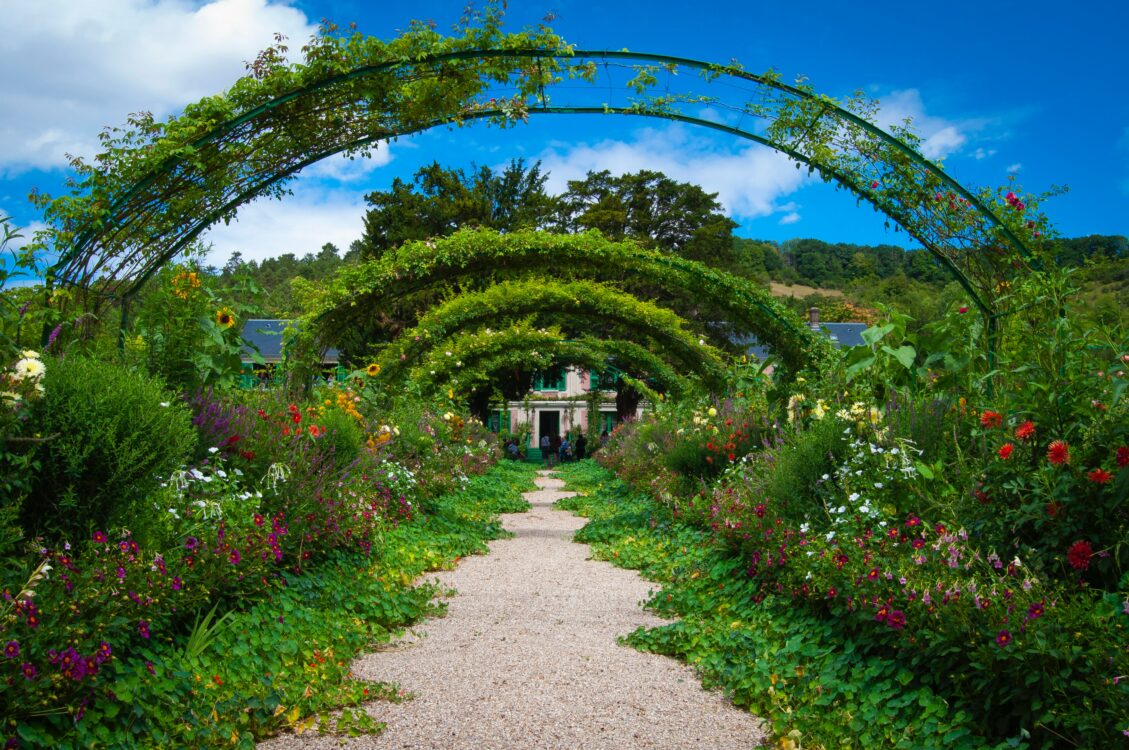
If you are just getting started with your garden, start by choosing the location for your bed or the area you want to define. Look for a spot that gets plenty of sunlight and air, and is close to a water source.
If you are working with an existing garden bed, take a moment to check how your plants have been doing. If they are underperforming, consider treating your garden before you install new edging.
Once you have chosen the location, mark out the area with string or garden stakes. Now it is time to prepare the ground.
2) Prepare Your Garden Edging Area

Prepare the area where you want to create garden edges. Maintaining your garden starts here. Remove any weeds, grass, or debris in the way, dig out any rocks or roots that would sit under the trench line, and loosen the soil so your plants can take root once you are done.
The goal is a flat, level surface to seat the edging into. If you are starting from scratch rather than working with an existing bed, adding some compost or manure to the soil at this stage helps your plants get going once the edging is in.
3) Decide On the Shape of Your Garden Edging
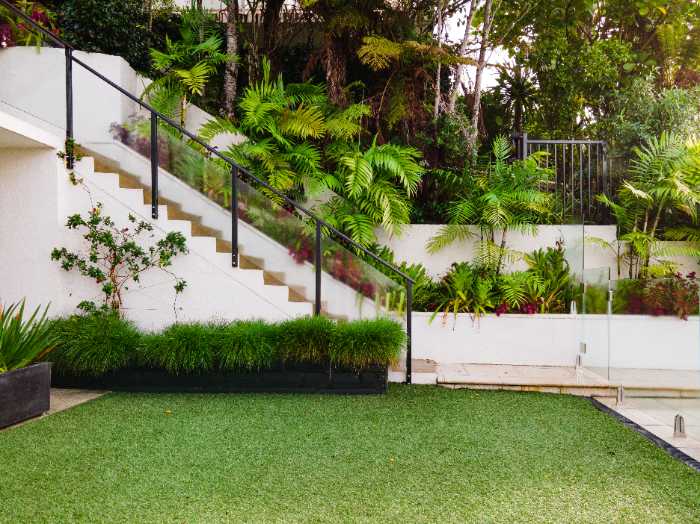
Next, decide on the shape of your garden edge. Larger gardens usually suit curved edges, and smaller gardens often work best with straight runs. You can combine both to break up a long line. Corten bends by hand, so following a curved bed is straightforward without any specialised tools.
Once you have decided on the shape, measure the length and width of your bed so you know how much edging to buy. On our Landscape Edge Cor-Ten, each 1100 mm piece gives you 1 metre of usable edging after a 100 mm overlap.
4) Outline the Shape of Your Garden Edge Area

Use a garden edger or spade to outline the shape of your edge. Dig a shallow trench along the line, deep enough to bury 30 to 40 mm of the edging below the soil surface. That is the depth that stops grass runners creeping into your beds.
For curved edges, make sure the trench is wide enough to follow the curve smoothly. Once the trench is ready, it is time to place your edging.
5) Choose Your Corten or Steel Edging Type
Before installing, decide which type of steel edging suits your project. Our garden edging range covers different finishes, heights and gauges. Two of the most popular options are corten and steel garden rings.
Landscape Edge Cor-Ten
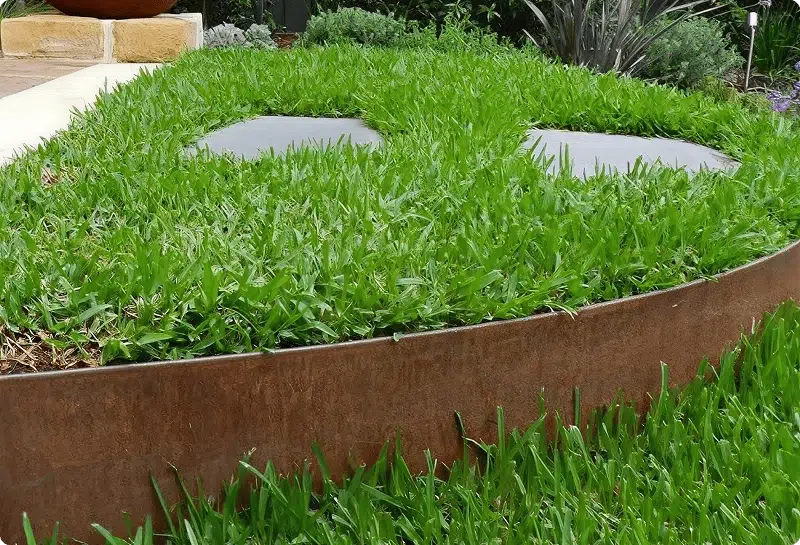
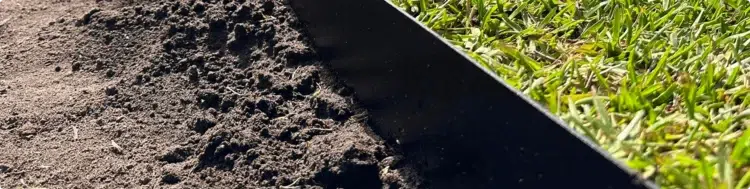
Our Landscape Edge Cor-Ten is a rigid 2.0 mm gauge corten steel edge, with integrated 100 mm spikes for a firm seat in the soil. It comes in 100 mm, 125 mm and 200 mm heights, and it arrives pre-rusted, so you get the warm, weathered look straight from the box rather than waiting 18 to 36 months for the patina to develop.
Corten is the pick for rustic and natural garden styles, and the 200 mm height gives you the deepest underground barrier for controlling grass runners. Once the patina forms, it seals the surface and needs no painting, sealing or coating. For the full detail, see our corten steel garden edging buyer’s guide.
Landscape Edge Steel Garden Rings
If you are edging around trees, feature plants or circular beds, our steel garden rings are the neatest solution. They come pre-shaped in a range of sizes, so you get a clean circular edge without hand-bending long strips into shape.
6) Install Your Steel Edging

Place each piece of edging around the perimeter of the outline you dug. For a curved edge, hand-bend the corten to follow the shape of the curve before you drive it in.
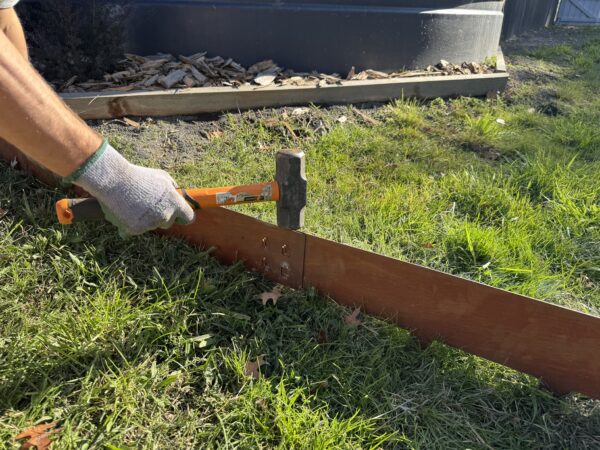
Position each piece over the trench line and push or gently tap the integrated spikes into the ground with a rubber mallet. Aim to seat the edging into compacted soil rather than loose ground so it holds firm, and bury enough of the edge to create the underground barrier you want. Make sure each piece sits flush with the ground so grass runners can not sneak underneath.
That is it. You have now installed your steel garden edging and your beds are ready to enjoy. For a full step-by-step walk-through, see our guide to installing garden edging like a pro.
Tips for Choosing a Garden Edger
If you are still weighing up which edging to choose, here are three things to consider.
1) The Size of Your Garden
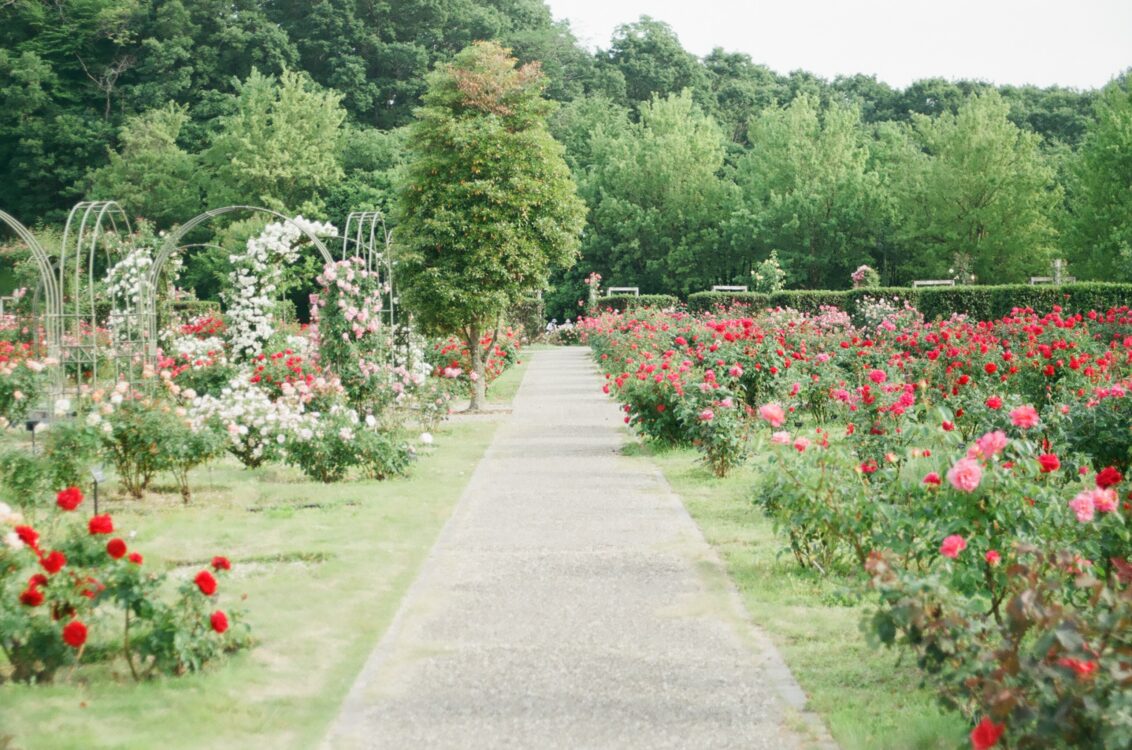
Small gardens need less edging, and you can always add more later if you find you need it. For larger gardens, buying enough in one order saves matching batches later. Order a little more than you think you need. It is better to have a spare piece than to run short mid-project.
2) Your Budget

Steel edging is one of the most affordable ways to get a clean, permanent finish, and it needs almost no maintenance once installed. Corten sits a touch above galvanised or powder-coated finishes on price, but the natural rust patina and 2.0 mm gauge make it the pick if you want the sturdiest option that will still look great in twenty years.
For a full breakdown of edging prices, see our Melbourne garden edging cost guide.
3) The Look of Your Garden
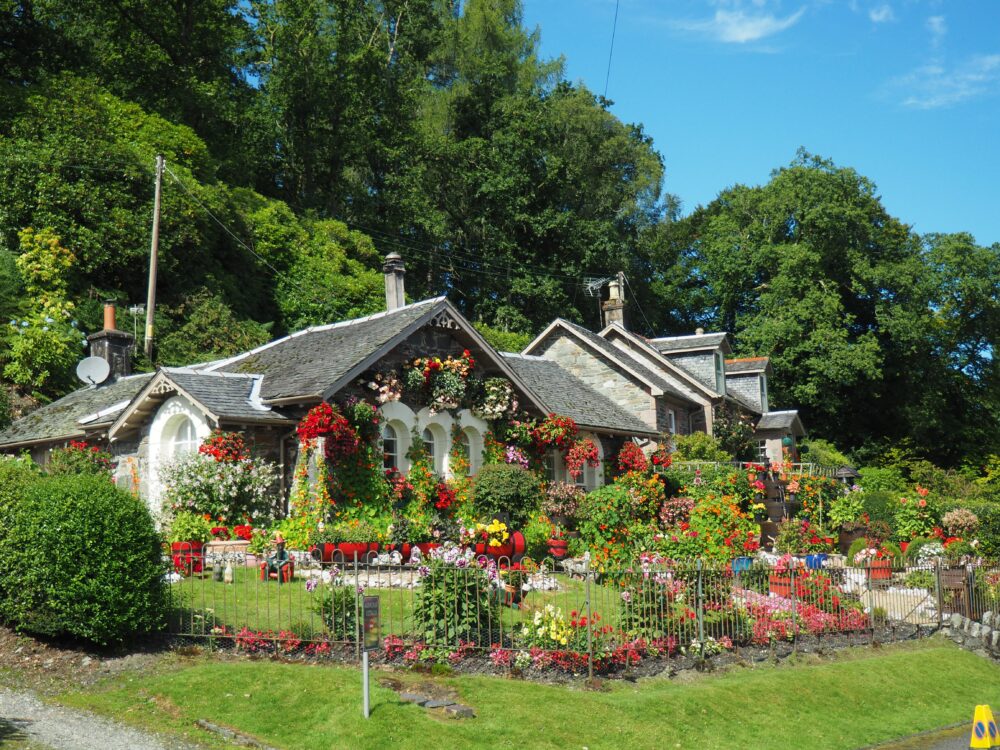
Steel edging comes in more looks than you might think. Corten gives you a warm, rusted patina that suits rustic and native gardens. Powder-coated black keeps a sharp, modern finish that suits contemporary designs. And steel garden rings add a decorative touch around trees and feature plants.
Your choice will come down to the look you want and how much depth you need below ground.
Conclusion
Creating perfect garden edges does not have to be difficult. With the right tools and the right edging, you can get the look you want without spending a lot.
Our Landscape Edge range is designed to make the job simple: easy to install, cuts to size, and built to last. If you have any questions, contact our Melbourne team and we will be glad to help you pick the right edging for your garden.
Ready to get started? Browse our garden edging range.