5 Signs It’s Time to Replace Your Garden Edging

Walk the border of your garden beds, and you’ll usually know if something’s off. A section leans further than it used to, or there’s a gap where there wasn’t one last season. Garden edging across Australia takes a quiet beating from weather, soil movement and the odd mower strike, and steel is the material built to take it.
Here are five signs it’s time for new garden edging, and what holds up once it’s in the ground.
Key Points
- Cracking, warping, or rusting through means the edging has stopped protecting itself
- Sunken, leaning or gapped sections often trace back to soil movement, not just age
- Grass or bed material crossing the border means the edging isn’t doing its job
- Wanting a different look for your garden is reason enough to upgrade
- The right height and gauge outlast constant patch-up jobs
It’s Cracking, Warping or Rusting Through
Every material weathers over time. Watch for structural failure rather than surface ageing: splits along a seam, holes rusted right through, or a run twisted out of shape after a mower clips it. Any of these mean the edging can no longer hold its line.
Gauge and coating matter as much as looks. A 1.5mm edge flexes more easily into curves, while 2mm gauge holds its shape on long, straight runs, and either should rely on a zinc coating or a stable rust patina, not paint.
Your Garden Beds Have Lost Their Shape
Melbourne gardens move more than most homeowners realise. Large parts of the city sit on clay-heavy soil, and the Victorian Building Authority explains that this kind of reactive soil expands when wet and contracts when dry, causing ground movement significant enough to crack house footings. Garden edging sits in the same soil through the same seasonal cycle, so it’s reasonable that sections sink after heavy rain, lean outward, or pull apart at the joins even when the metal itself is sound.
Edging with an integrated spike base, driven into compacted rather than loose soil, resists this push and pull far longer. If you’re pushing the same sections back into place every few weeks, the ground underneath is doing the moving, not the edging failing on its own.
Grass and Garden Bed Material Keep Crossing the Border
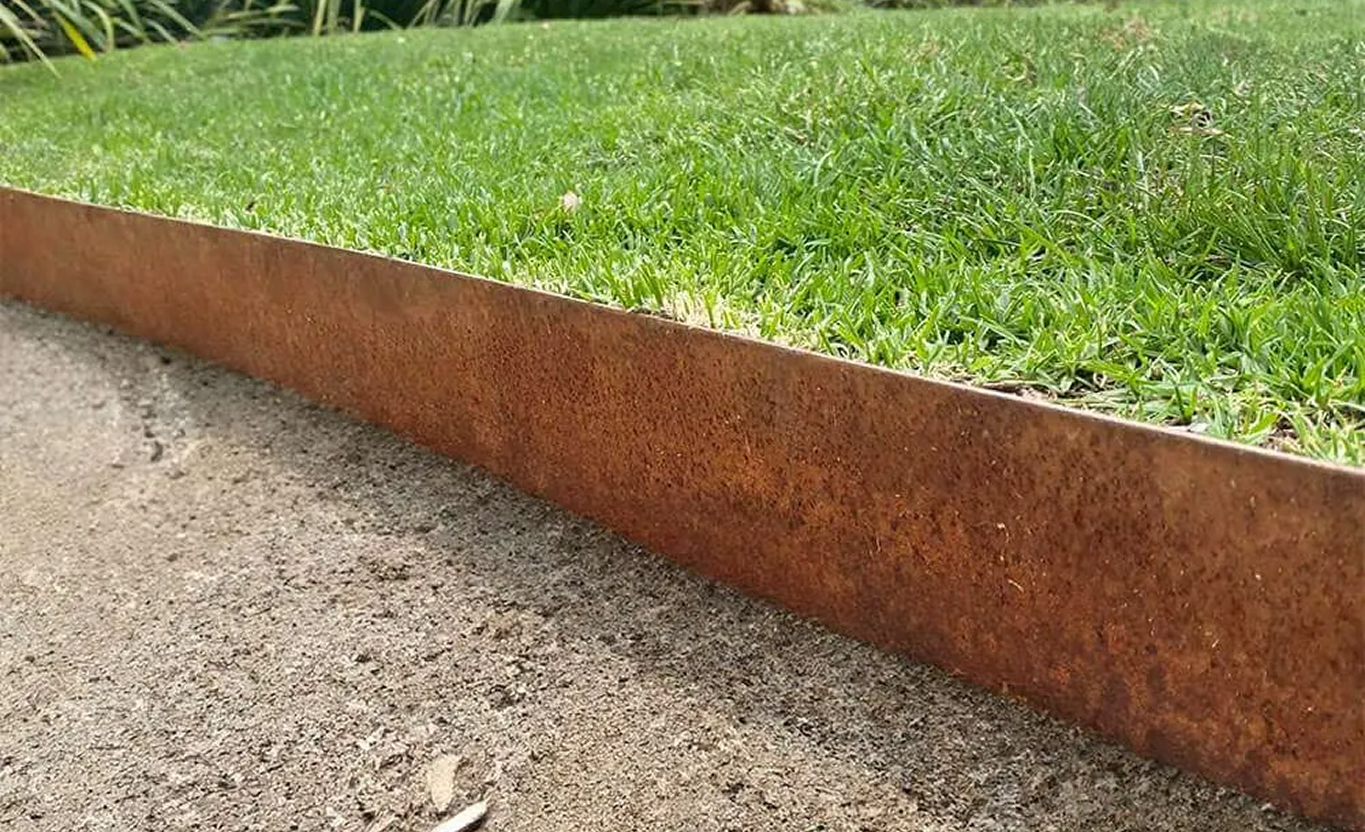
This is the clearest test of all. Good garden edging creates a barrier that stops grass runners spreading into beds and keeps mulch from spilling onto the lawn. If you’re regularly pulling grass out of your beds or sweeping mulch off the lawn, the edging has stopped doing its job, even if it looks fine from a distance.
Depth is what matters. Edging in the 100 to 200mm range sits deep enough to block runners tunnelling underneath, while anything shallower gives grass an easy path through.
It No Longer Matches the Look You Want
Not every reason to replace edging is about damage. Gardens change over the years. Maybe you’ve renovated, changed the planting, or fallen out of love with a look that felt right a decade ago. Wanting a modern black finish instead of a dated style, or a warmer rusted tone alongside native planting, is reason enough on its own.
Edging touches every bed, path and lawn edge on the property, so a style refresh has an outsized effect on the whole garden.
You Keep Patching the Same Sections
There’s a point where small repairs cost more time and money than one proper replacement. If you’re re-hammering the same stakes, wiring sections together, or replacing pieces every year, you’re paying for an ageing system in instalments.
Steel edging is typically supplied in 1100mm lengths, giving around 1 metre of usable edge once you allow for the overlap at each join. Measuring your bed length against that figure makes it easy to work out how many lengths a full replacement needs.
What to Look for in a Longer-Lasting Edge
A better result doesn’t mean starting from scratch. Steel options offer an upgrade over materials that warp or lose shape within a few seasons.
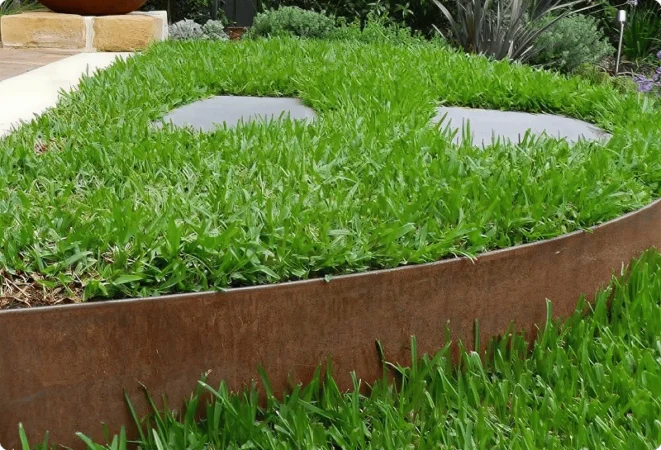
- Cor-Ten steel develops a stable rust-coloured patina that suits native or rustic gardens and needs no repainting.
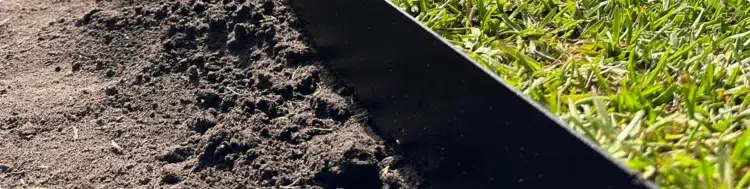
- Galvanised and powder-coated steel holds a clean black or grey finish for modern beds.
- Flexible landscape edging bends easily around curves and garden rings without kinking.
Look for interlocking joins that skip separate pins, and a height matched to the grass runners you’re holding back. Planning a larger project? Trade and bulk pricing is worth asking about.
Ready for an upgrade that lasts?
Browse our full range of steel garden edging and find the finish and height that fits your garden.
Frequently Asked Questions
1. How do I know if my edging needs replacing rather than repairing?
A single bent stake can often be repaired. Widespread rust-through or grass crossing the border in multiple spots point to the material’s end of life.
2. Why does garden edging move more in some Melbourne gardens than others?
Clay-heavy soil common across parts of Melbourne expands and contracts with rainfall, shifting anything anchored in the ground, including edging. Edging installed in compacted soil with a solid spike base holds its position better through these changes.
3. How long does steel garden edging last?
Quality steel edging holds up for years outdoors. Galvanised and powder-coated finishes rely on their coating to resist corrosion, while Cor-Ten forms a patina that stabilises rather than degrades.
4. Can I install new edging over the top of my old edging?
It’s best to remove the old edging first. Leaving failed sections in the ground stops the new edge from sitting flush and defeats the purpose of upgrading.
5. Is replacing garden edging a DIY job?
Yes, in most cases. Steel edging with interlocking joins and integrated stakes installs with basic tools, without pins or extra joiners. Measuring your bed length beforehand makes the job straightforward.